Earthquake. Moral Injury and Resilience.

We are investigating the experiences of moral injury among healthcare workers during the February 6 earthquakes and how moral resilience can be fostered in them.

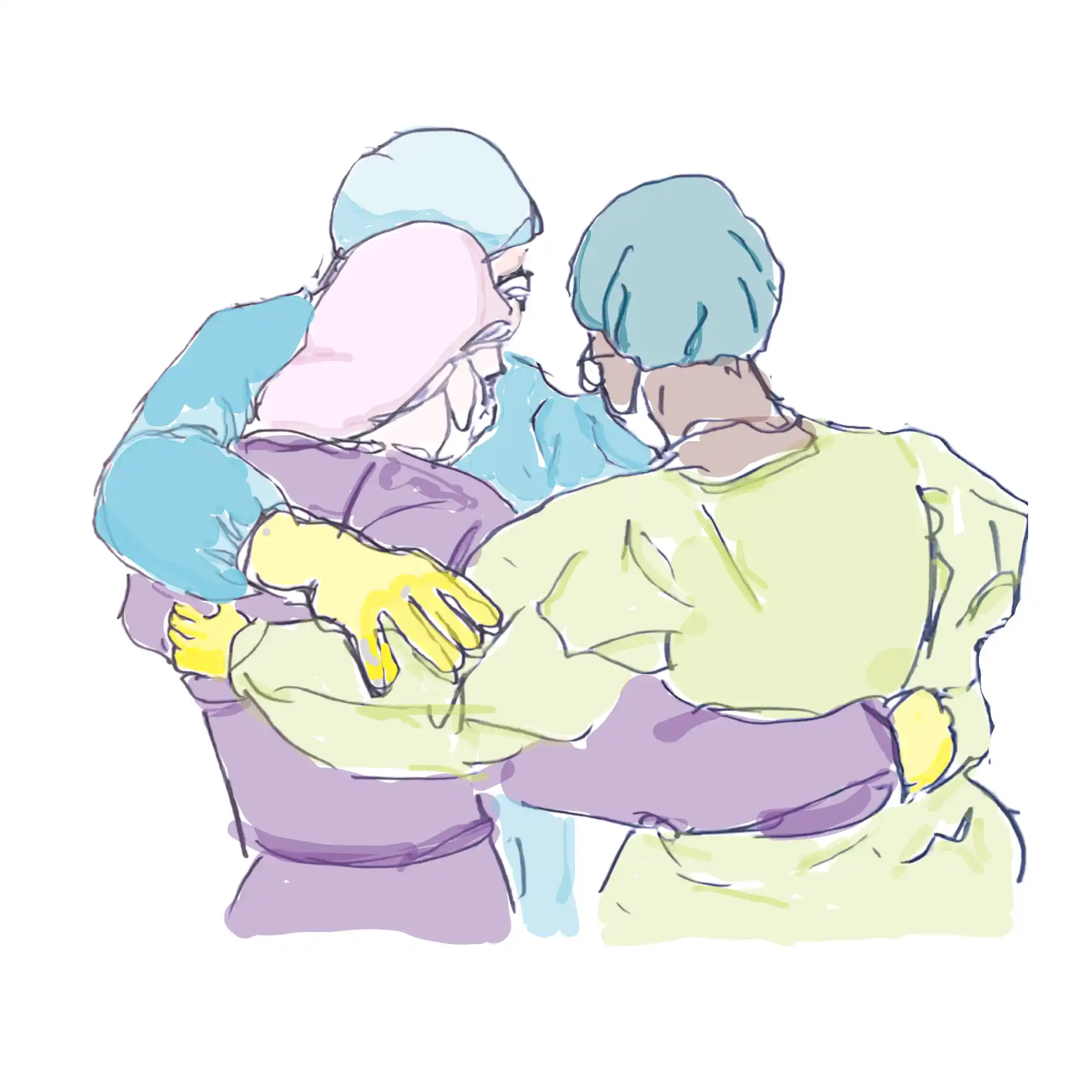
Medical team

February 6 and Healthcare Workers

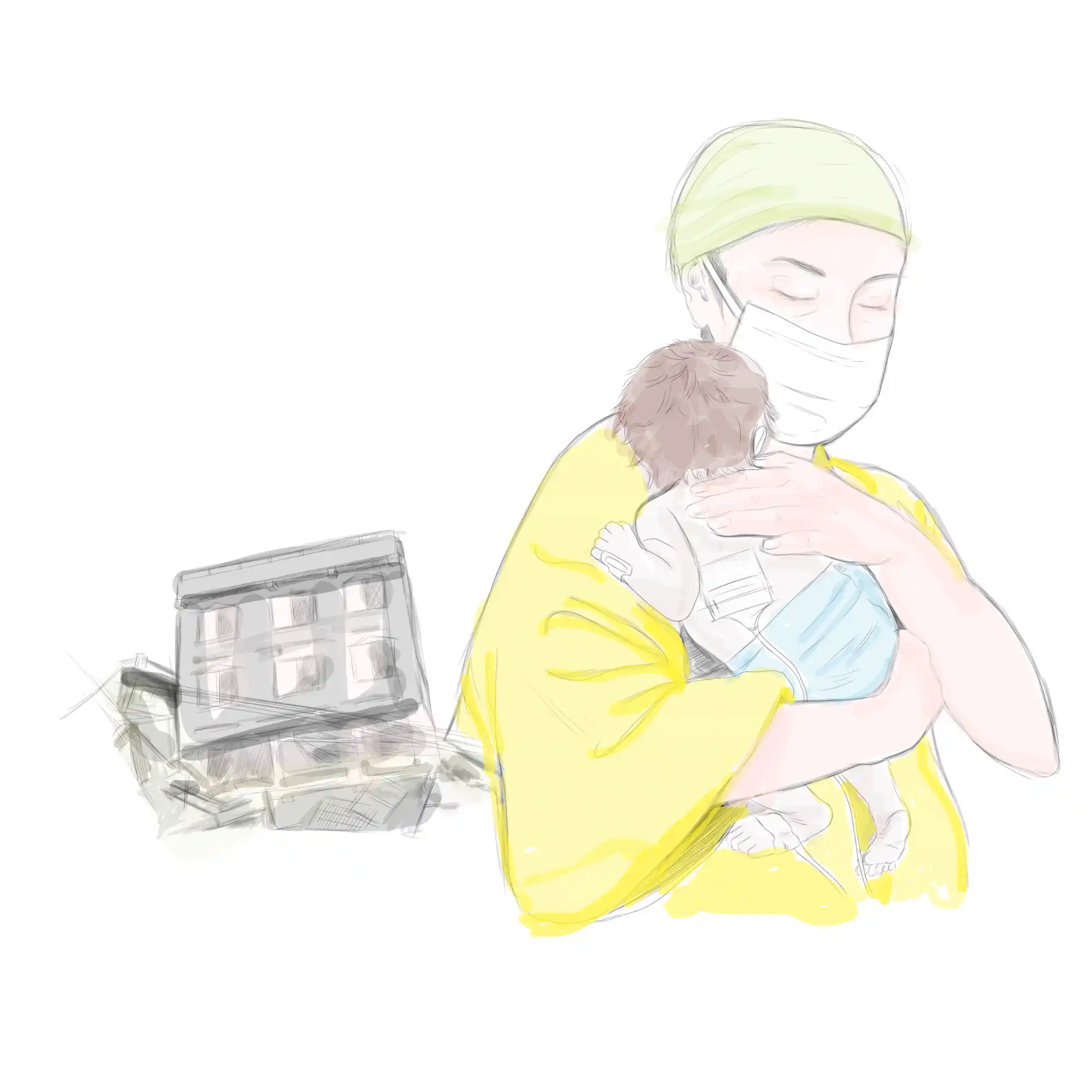
The earthquakes on February 6, 2023, shook Turkey and resulted in thousands of deaths. Immediately following the earthquake, healthcare workers labored to treat and care for the victims with great dedication. They pushed the limits to save lives, minimize losses, and reduce damage. This process took a toll on them both physically and mentally. Among the challenges they faced was participating in or witnessing practices that conflicted with their professional values and beliefs. So, what kind of traces did this experiences leave on them?
February 6 earthquake

Illustration: Ayça Bora & Mustafa Volkan Kavas
Map of Turkey

Illustration: Mustafa Volkan Kavas

What Happened?

The February 6 earthquakes caused devastating destruction in Turkey and Syria. More than 50,000 people lost their lives, hundreds of thousands were injured, and the lives of millions were adversely affected. During the earthquake, hospitals, temporary medical stations, and field hospitals became the scene of healthcare workers’ extraordinary efforts. Despite challenging conditions, inadequate equipment, limited resources, and administrative and organizational chaos, they worked day and night. In doing so, they not only saved the lives of thousands of people during the disaster but also played a crucial role in providing post-disaster healthcare services to the earthquake victims.

About the Project

The DAYAN project, supported by the TÜBİTAK 3005 Program, aims to reveal the moral injury related experiences of healthcare personnel who worked in the field and behind the field during the Kahramanmaraş-centered earthquakes that occurred on February 6, 2023. As researchers on this project, we examine how healthcare workers cope with the moral challenges they face, and how these experiences affect their ethical values and beliefs, as well as their self-perception as moral agents. Additionally, based on this knowledge, we aim to develop quality criteria and suggestions for practical solutions to prevent moral injury and related harms in healthcare workers in the face of similar experiences and to strengthen moral resilience!
About the project - DAYAN

Illustration: Mustafa Volkan Kavas

What Will We Do?

1

Survey

Assessing the prevalence of moral injury among healthcare workers and establishing a participant pool for subsequent phases.

Through a large-scale survey, we collect demographic data and measure levels of moral injury and moral resilience among healthcare workers who served in the earthquake-affected region, thereby establishing a participant pool for the qualitative research phase.
Take the survey
2

In-Depth Interviews

Conducting 37 individual interviews to understand healthcare workers’ experiences related to moral injury.

In-depth interviews are conducted with a selected group of participants to examine the nature and impact of their moral injury-related experiences and their coping mechanisms in the context of the earthquakes.
3

Focus Group Discussion

Validating the findings of the in-depth interviews in collaboration with participants.

The validity of the findings will be examined in three focus groups, from the perspective of the participants. If alternative dimensions emerge, these will be explored as well. The collection of data will inform potential solutions and quality standards.
4

Workshop

Discussion and reporting of problem areas, proposed solutions, and quality criteria.

In the final phase of the project, based on the data collected in previous stages, guidelines containing concrete solution proposals and quality standards will be prepared in collaboration with participants for sharing with policymakers and relevant institutions.